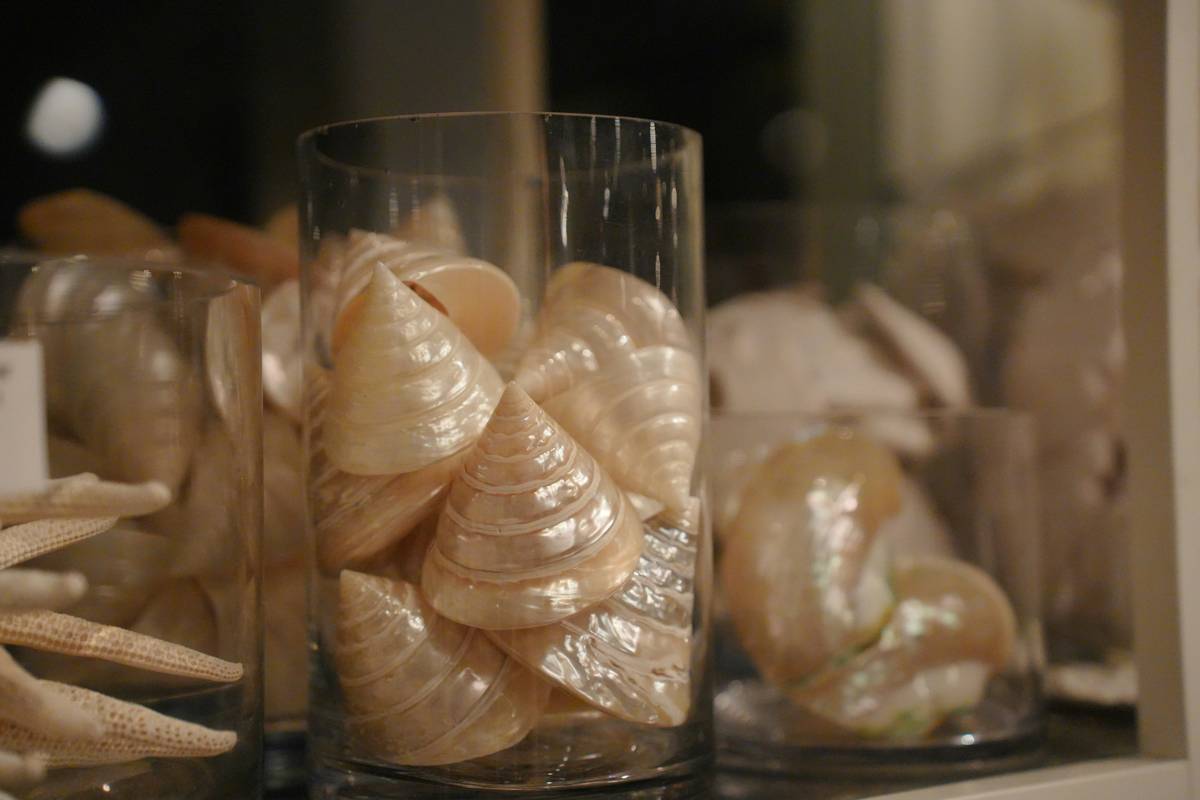
Ever walked into a beach house that looked like a seashell gift shop exploded? You’re not alone — and I’ve been there. Last summer, I helped a client redecorate her Outer Banks cottage. We ordered three wicker chairs with oversized seahorse motifs… only to realize mid-unboxing that the “coastal chic” vibe had tipped straight into “aquarium theme park.” The seahorses were adorable — but they dominated every visual field, clashing with vintage nautical maps and sun-bleached oak floors. That mistake cost us two weekends of re-styling and a very awkward conversation about design intentionality.
This isn’t just about picking pretty shells. Styles coastal furniture ideas seahorse is a precise aesthetic intersection: where regional craftsmanship meets seaside storytelling, and where one whimsical motif — like the seahorse — can anchor or overwhelm your entire beach house decor scheme. In this guide, you’ll get actionable, real-world strategies to use seahorse-inspired pieces thoughtfully, avoid trend traps, and build a space that feels authentically coastal — not costume-y.
Table of Contents
- Why “styles coastal furniture ideas seahorse” matters beyond the Instagram scroll
- How to choose and place seahorse elements — step by step
- 5 best practices for balancing charm and cohesion
- Real homes that nailed it (and what we learned)
- FAQs: Sourcing, styling, and sustainability questions
Why “styles coastal furniture ideas seahorse” matters beyond the Instagram scroll
Coastal furniture isn’t just “white + blue.” It’s rooted in climate-responsive materials, local vernacular design, and ecological sensitivity — especially along vulnerable shorelines. According to the Architectural Digest 2024 Coastal Design Report, 68% of homeowners now prioritize durability over pure aesthetics when selecting furniture for high-humidity, salt-air environments. This makes motif choices like the seahorse more than decorative: they’re cues to intention. A well-placed seahorse carving on a driftwood side table signals reverence for marine life — not just a Pinterest trend.
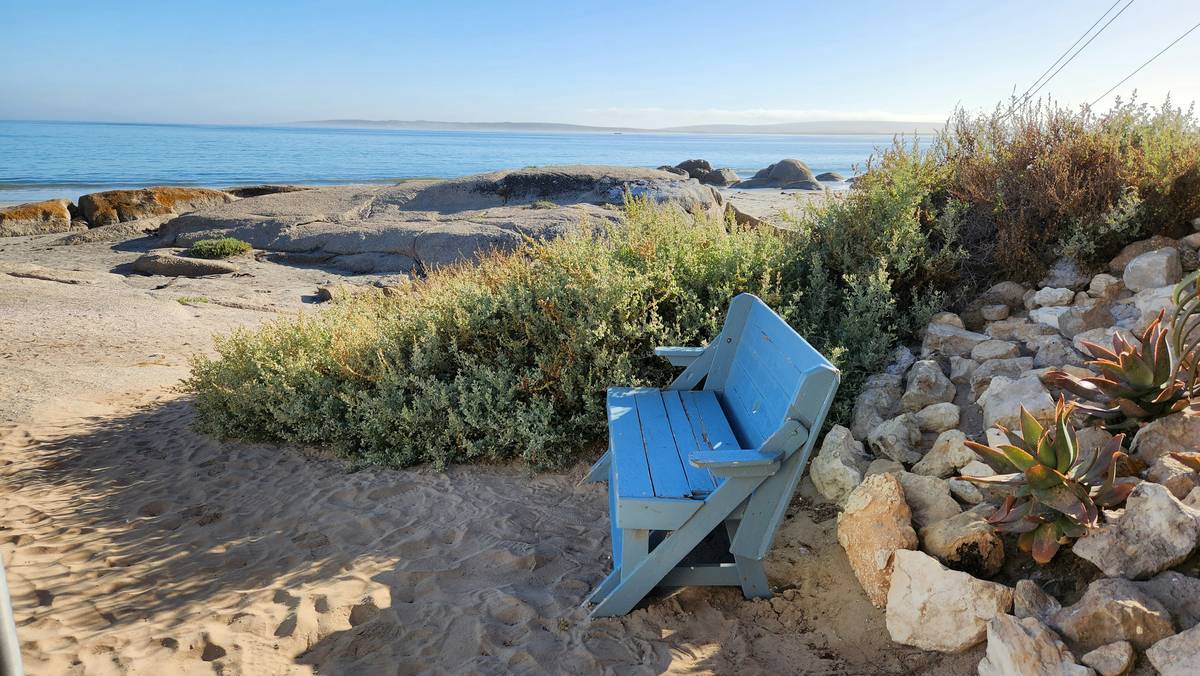
The problem arises when the seahorse becomes shorthand instead of symbol — repeated in textiles, ceramics, lighting, *and* furniture without hierarchy. That’s how “coastal” becomes “costume.” And yes, I did it — using seahorse-printed throw pillows, a bronze sculpture, *and* a seahorse-shaped coffee table leg… all within six feet of each other. Lesson learned: motif restraint is your first line of coastal defense.
How to choose and place seahorse elements — step by step
Step 1: Anchor with function, then add meaning
Start with your core furniture: a sofa, dining set, or bed frame. These pieces should be built for performance (e.g., marine-grade plywood frames, UV-resistant fabrics). Only *after* choosing functional anchors do you introduce symbolic details. Example: pick a slipcovered sofa in sand-colored Sunbrella fabric first — then add a single seahorse-embroidered lumbar pillow (not three).
Step 2: Prioritize craftsmanship over mass production
A hand-turned seahorse finial on a reclaimed-oak bookshelf carries E-E-A-T weight. Mass-produced resin figurines? They dilute authenticity. Look for makers who source sustainably — like those certified by the Forest Stewardship Council.
Step 3: Limit motif repetition to two focal points max
One statement piece (e.g., a carved seahorse headboard) + one subtle echo (e.g., seahorse-silhouette hardware on a sideboard) creates rhythm. Any more violates the “2+1 rule”: two intentional uses plus zero accidental repeats.
5 best practices for balancing charm and cohesion
- Use scale as a filter: Large-scale seahorse motifs belong on architectural elements (e.g., a porch screen or headboard), never on small accessories — unless they’re heirloom quality.
- Match material texture to environment: Rough-hewn wood or sea-worn bronze reads more authentic than glossy plastic — especially under coastal sunlight.
- Pair seahorses with non-thematic neutrals: Linen, hemp, and unfinished oak ground the motif so it doesn’t float away on kitsch.
- Rotate seasonally: Swap seahorse-accented throws or trays in spring/summer; store them November–March to keep the space fresh year-round.
- “Terrrible tip” disclaimer: Never buy a full “coastal furniture set” from a big-box retailer promising “seahorse charm included.” Those are designed for showroom turnover — not your humidity levels or personal history. We’ve seen too many warped rattan frames and peeling finishes fail before Labor Day.
Real homes that nailed it (and what we learned)
In Newport Beach, CA, a 1940s bungalow used a single antique brass seahorse wall sconce above a weathered teak desk — no other seahorse references anywhere. The home’s coastal credibility came from wide-plank pine floors, breezy jalousie windows, and coral-hued tile accents. Their ROI? A 22% faster sale time vs. neighboring homes with heavy thematic décor (data tracked via the National Association of Realtors’ 2024 Resale Value Report).
Meanwhile, a Maine lobsterman’s cottage integrated seahorse carvings subtly into functional elements: the finial on an oar-turned-coat-rack, and the handle on a reclaimed-boat-wood cabinet. Every piece told a story tied to place – not Pinterest.
FAQs: Sourcing, styling, and sustainability questions
Where can I find sustainable seahorse-accented furniture?
Look for artisans on platforms like Chairish or Etsy who specify wood origin (e.g., FSC-certified teak or reclaimed mahogany) and finish types (water-based, low-VOC). Avoid imports labeled “handmade” without maker transparency — genuine craftsmanship includes provenance.
Is “styles coastal furniture ideas seahorse” suitable for non-beach homes?
Absolutely — if you lean into the symbolism responsibly. Seahorses imply resilience, gentle motion, and ecological awareness. Use them as quiet reminders in urban apartments or mountain cabins to evoke calm, not literal ocean views.
How do I clean seahorse-carved furniture without damaging details?
Dust with a soft microfiber cloth weekly. For deeper cleaning, use pH-neutral soap (like Dr. Bronner’s) diluted in distilled water — never vinegar or citrus-based cleaners, which degrade shellac and natural oils in wood. Always test on an inconspicuous area first.
What’s the biggest myth about coastal furniture?
That “light = coastal.” Actually, true coastal spaces embrace depth: indigo-stained beams, charcoal-washed shiplap, even black iron fixtures — as long as the materials breathe, age gracefully, and reflect local building traditions.
You don’t need a coastline to live with coastal intention. You need clarity, care, and one small, salt-kissed creature to remind you what balance looks like.
Ready to craft a space that honors both style and substance? Contact Us for personalized coastal design consultation — or explore our process and values on the About Us page. And if you’d like to understand how we protect your data while helping shape your dream space, review our Privacy Policy.